From the editors
Articles

Gemini Doesn’t Mean “Two Personalities”: Curiosity Isn’t Flakiness
The “two personalities” joke misses the point. Gemini offers a way to talk about curiosity, changing your mind and keeping your word—without judging anyone by their sign.
Read article
Sagittarius and the Moon: Same Sign, Different Questions
Sagittarius brings openness, generosity and a view of the bigger picture. Read through the Moon, those themes become questions about care, familiar routines and feeling at home.
Read article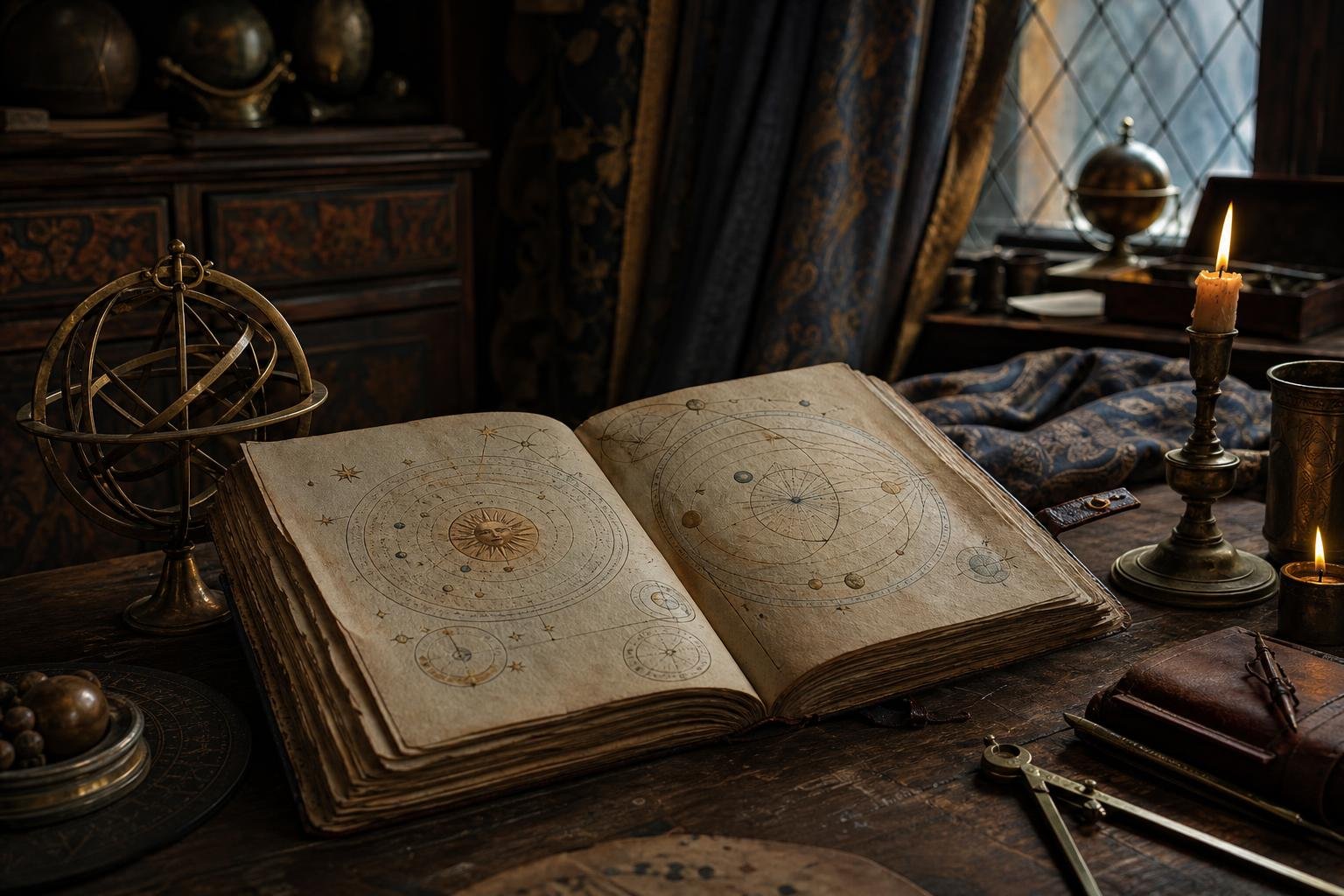
Astrology at European Courts: What Surviving Horoscopes Can—and Can’t—Tell Us
Three surviving manuscripts show how astrology could appear alongside political concerns at European courts—and why a preserved horoscope is not proof that it shaped a ruler’s decision.
Read article
Seven days, one question: a work decision diary for October 11–17
From October 11 to 17, use one question and seven short entries to think through a work decision. At the end, turn what you still need to know into one practical next step.
Read article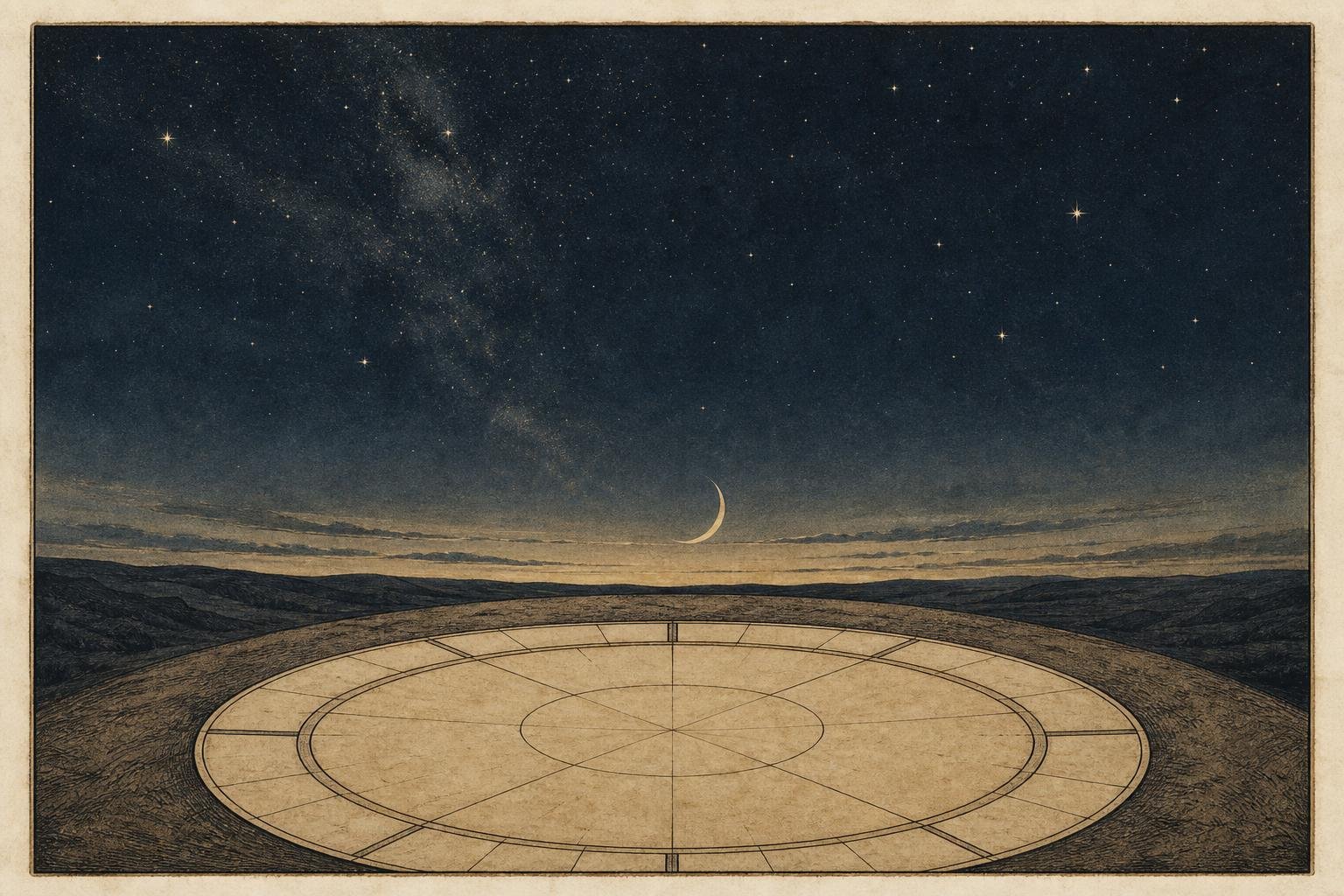
Why Does the New Moon Suggest a New Beginning?
Ancient sources connect the returning Moon with the start of a calendar month. How did that become today’s idea of a personal fresh start? The distinction begins with what people meant by “new moon.”
Read article
Scorpio without the drama: intensity isn’t a test of trust
Scorpio’s intensity need not mean drama. Here’s a more useful way to talk about closeness, privacy and the everyday actions that build trust.
Read article
A week of noticing unplanned purchases: let the horoscope be a reminder, not a shopping guide
From 8 to 14 October, try a simple notebook experiment: notice an unplanned purchase, record what caught your eye, pause, and see how it looks later.
Read article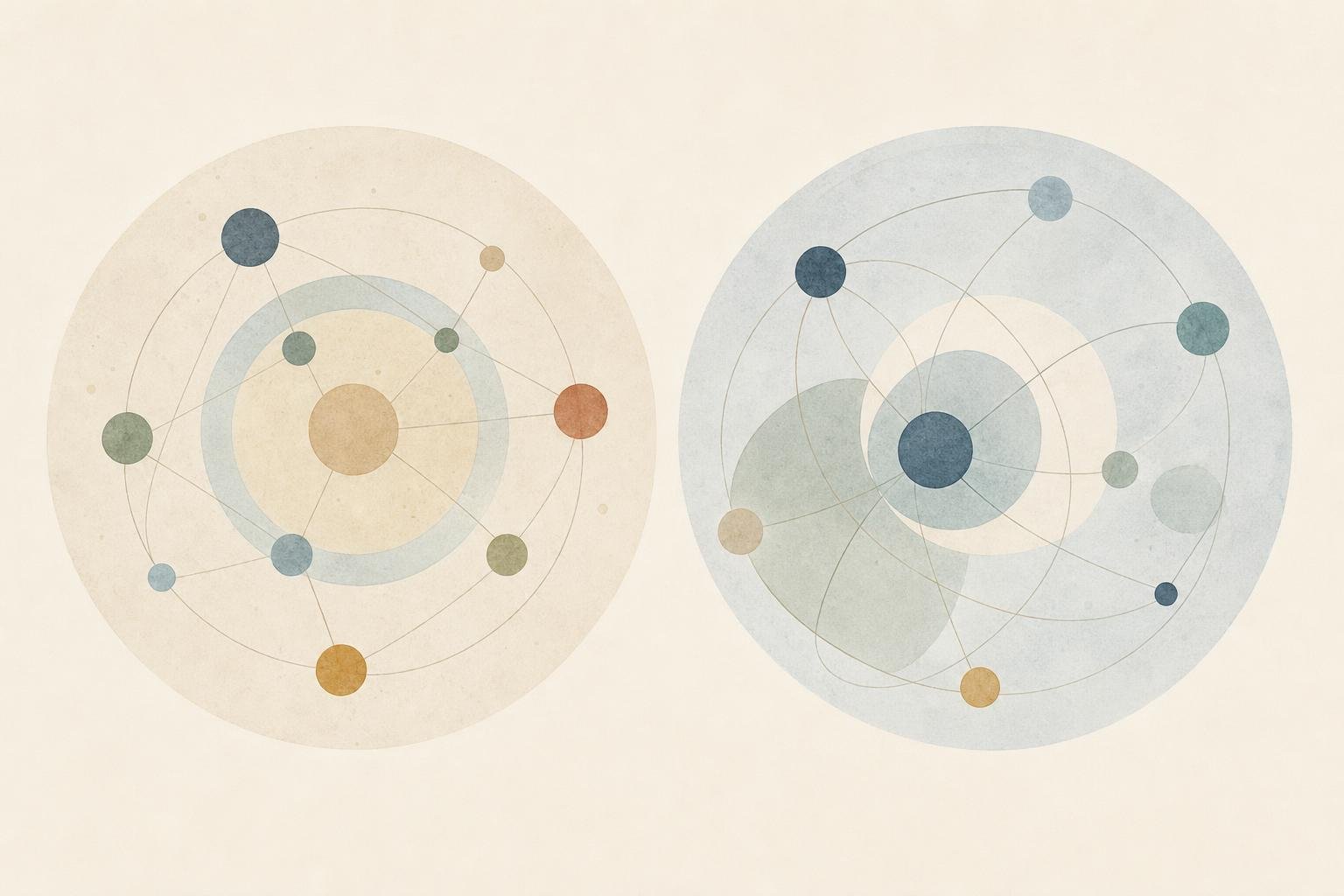
Synastry isn’t a compatibility test: what comparing two birth charts can—and can’t—show
Synastry compares two birth charts, but it cannot tell you whether a relationship will last. Here’s what the comparison looks at—and what remains unknown without a reliable birth time.
Read article
Taurus and Money, Minus the Stereotypes: What Makes Something Worth It?
The Taurus archetype offers a richer way to think about money than clichés about thrift or luxury. Explore how stability, usefulness, comfort and personal meaning shape what feels worth paying for.
Read article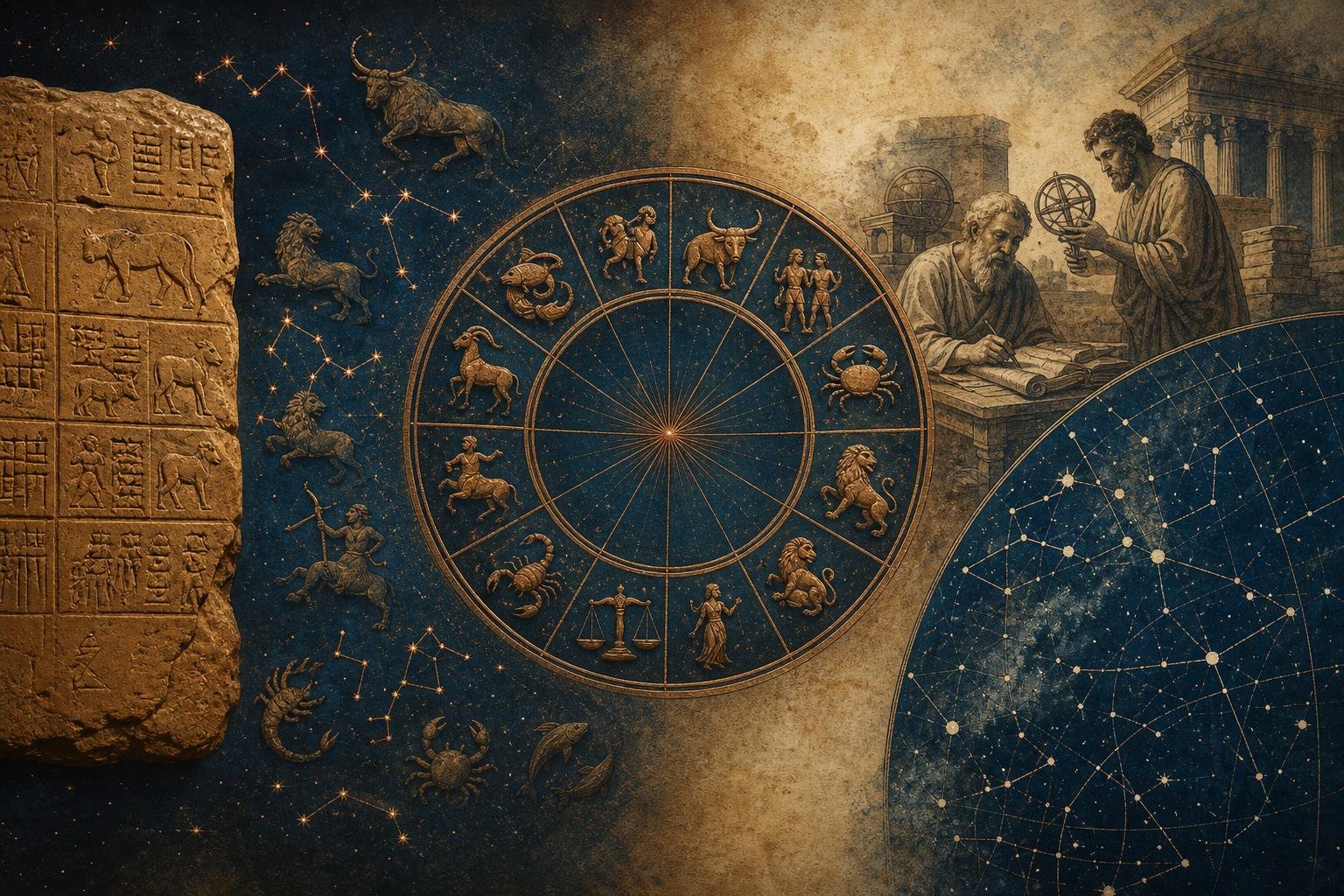
From Star Figures to Twelve Signs: How the Zodiac Took Shape
The zodiac did not begin as a ready-made ring of familiar signs. Its history runs from Mesopotamian star lists to a Babylonian system of twelve equal sectors—and explains why signs and constellations are not the same thing.
Read article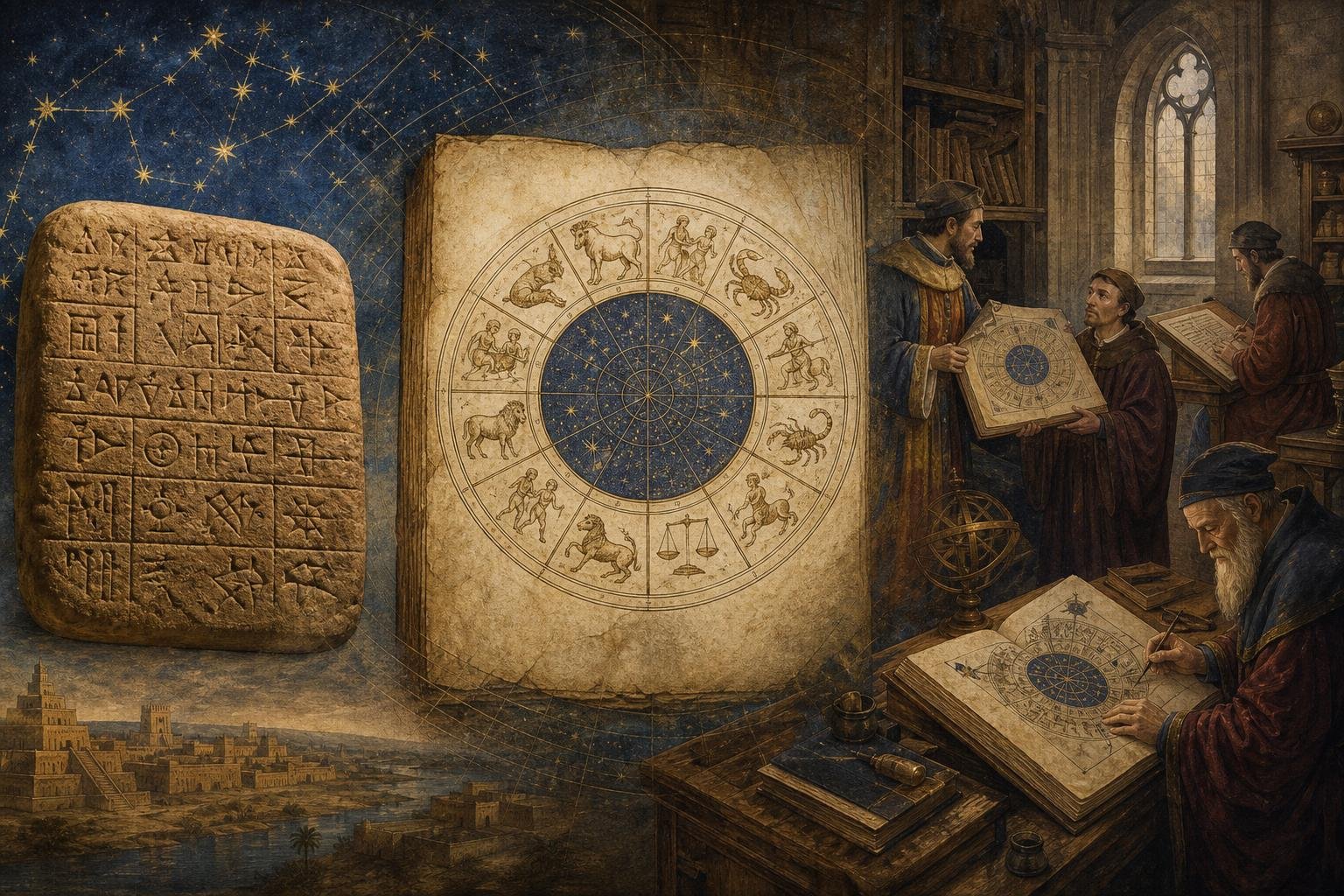
From Mesopotamia to Medieval Europe: How the Twelve-Sign Zodiac Travelled
The familiar zodiac was not invented in one place or by one author. Babylonian lists, Greek systematisation and medieval manuscripts reveal a tradition repeatedly organised, copied and translated.
Read article
New Moon in Libra on 10 October: How to Tell If a Decision Is Really Yours
A practical guide to 4–10 October, using the Libra new moon to separate your own priorities from other people’s expectations.
Read article
When Your Partner Needs Time: Three Grounded Steps for a Conversation Without Pressure
A practical three-step approach to giving someone time to think without leaving a difficult conversation unresolved: ease the pressure, agree when to return and notice what happens next.
Read article
Why Some Zodiac Signs Look Like a Perfect Match—and Why Sun Signs Cannot Decide a Relationship
Sun-sign compatibility charts turn relationships into neat pairings based on elements and modalities. Synastry is more layered—and even then, astrology cannot deliver a simple yes-or-no verdict on a couple.
Read article
Capricorn at Work: Reliable Doesn’t Have to Mean Workaholic
The Capricorn work archetype is less about endless hustle than steady responsibility. These practical questions help separate reliability from overcommitment.
Read article
What to Take from Your Horoscope at Month’s End: A 10-Minute Review
A simple three-step review helps you separate September’s events, your reactions and the ideas you took from astrology—then turn one useful observation into a practical next step for October.
Read article
Aries vs Libra? What Opposite Signs Really Mean in Astrology
Opposite signs are not automatic enemies. The Aries–Libra axis shows how astrology frames the ongoing balance between personal initiative and mutual agreement.
Read article
When Did Astronomy and Astrology Part Ways? There Was No Single Break
There was no single discovery—or single year—that divided astronomy from astrology. A historical timeline shows how shared techniques gradually gave way to different questions, methods and institutions.
Read article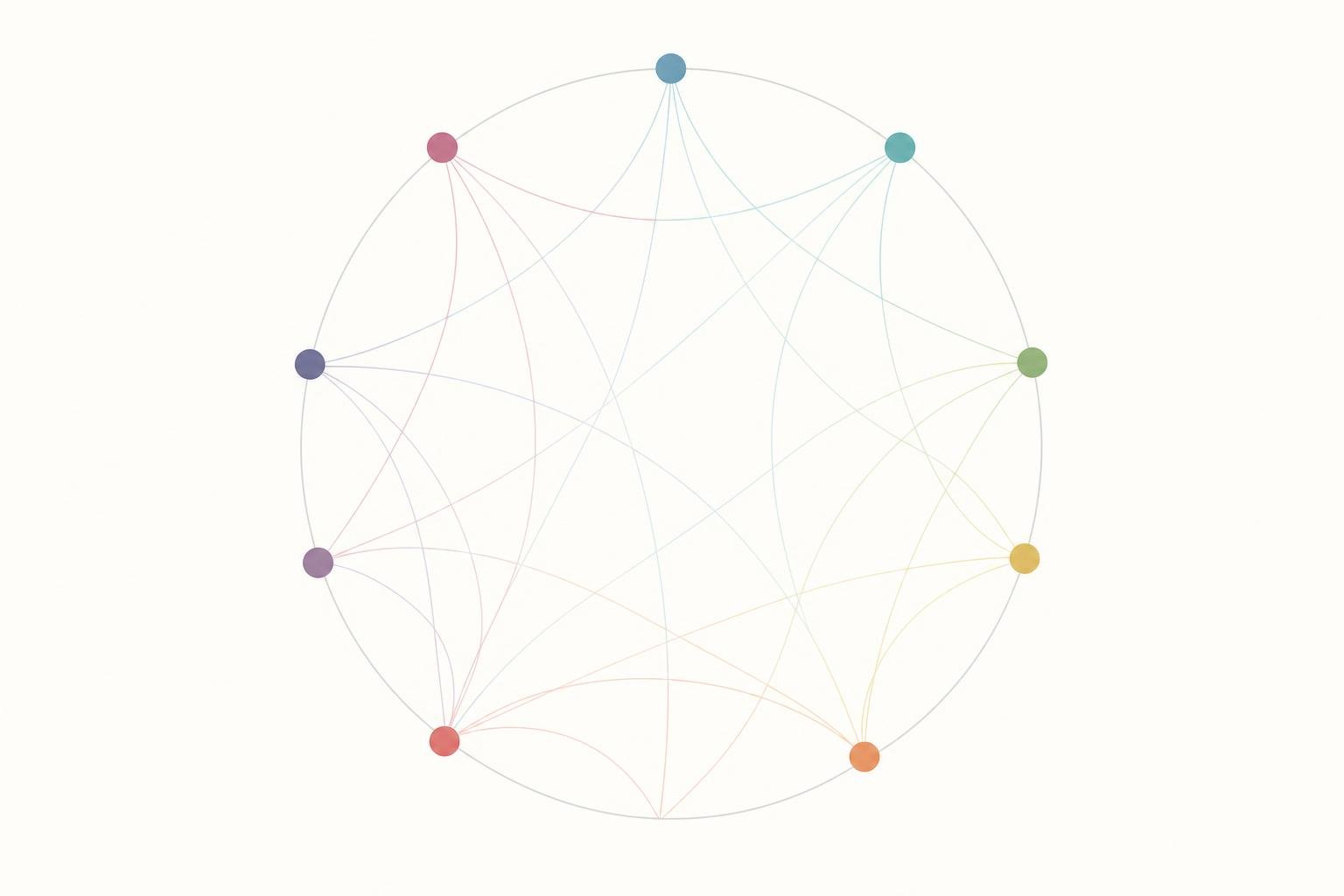
Five astrology aspects: what the lines in a chart mean
Conjunction, opposition, trine, square and sextile name five ways positions relate in an astrology chart. Learn to recognise their shapes without treating “harmonious” or “tense” as a verdict.
Read article
Full Moon in Aries: When to Take the Lead—and When to Make Room for Agreement
The full moon in Aries offers a useful prompt: say what you want clearly, then make room for an answer. Here is how to distinguish healthy initiative from pressure—and compromise from surrender.
Read article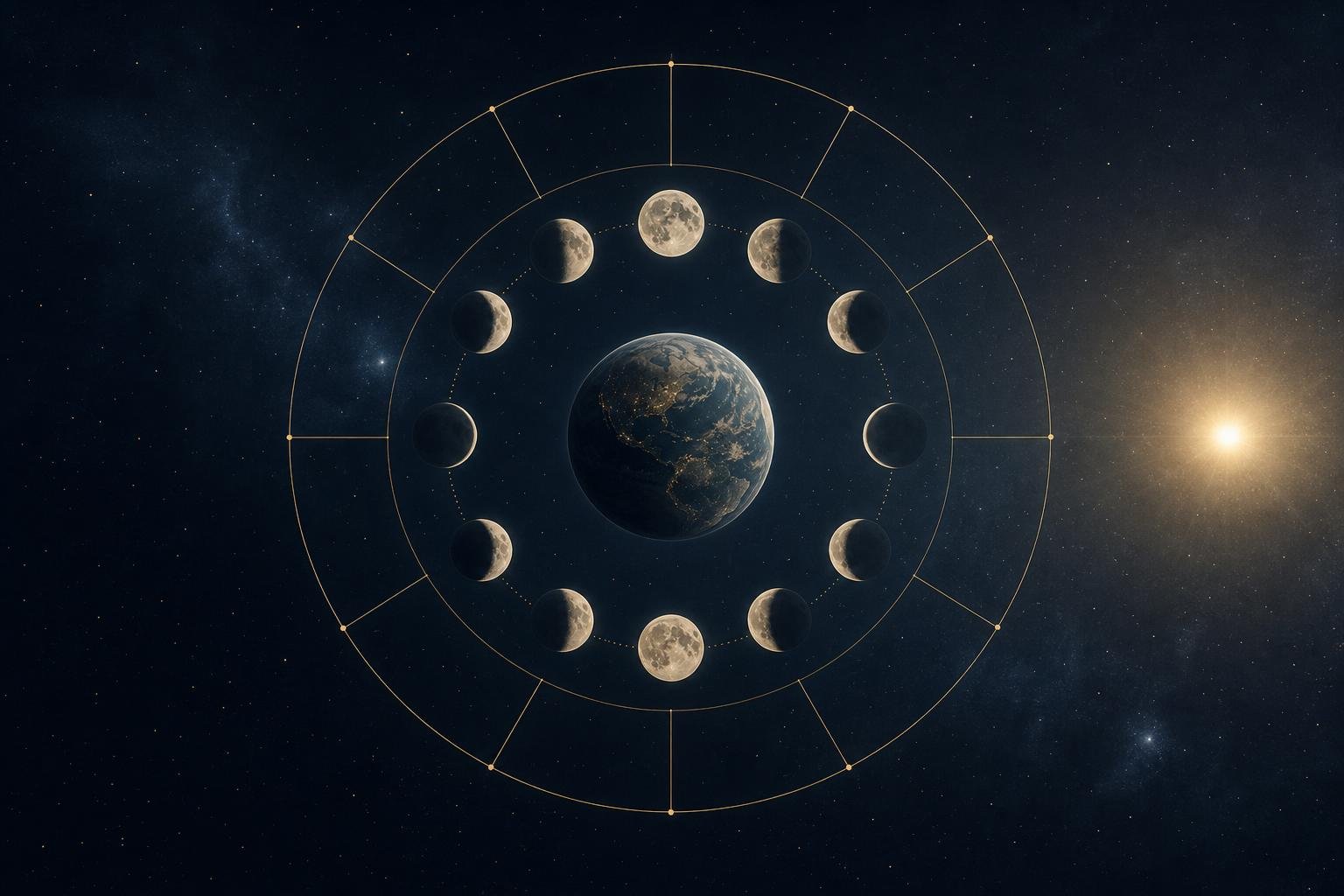
New and Full Moons: Astronomy and Astrology
The full moon on 26 September offers a clear way to separate lunar geometry from zodiac signs—and to explain why most new and full moons are not eclipses.
Read article
Libra in Relationships: Care or Conflict Avoidance?
Libra’s relationship style is less about keeping the peace at any cost than making room for two distinct points of view. Here’s how to tell a fair compromise from an unspoken concession.
Read article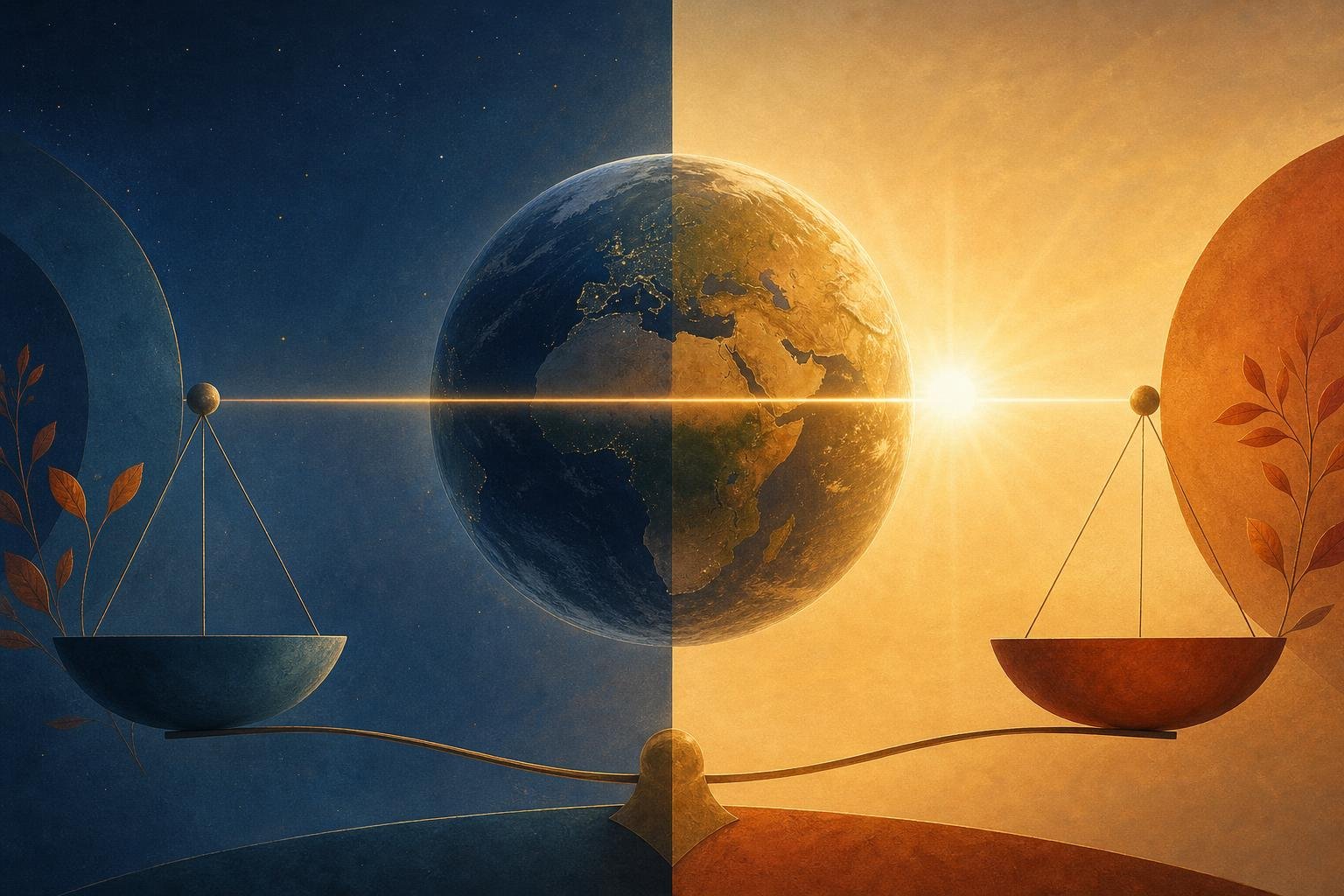
Sun Enters Libra: The Symbolism of Balance
The September equinox and the Sun’s entry into Libra mark the same seasonal point in two different systems. Here is how astronomy, the tropical zodiac and the symbol of the scales fit together.
Read article
A Horoscope Isn’t a Prediction: Ask Three Questions
A simple three-question method turns horoscope language into useful reflection—without confusing symbolism with facts or handing over your decisions.
Read article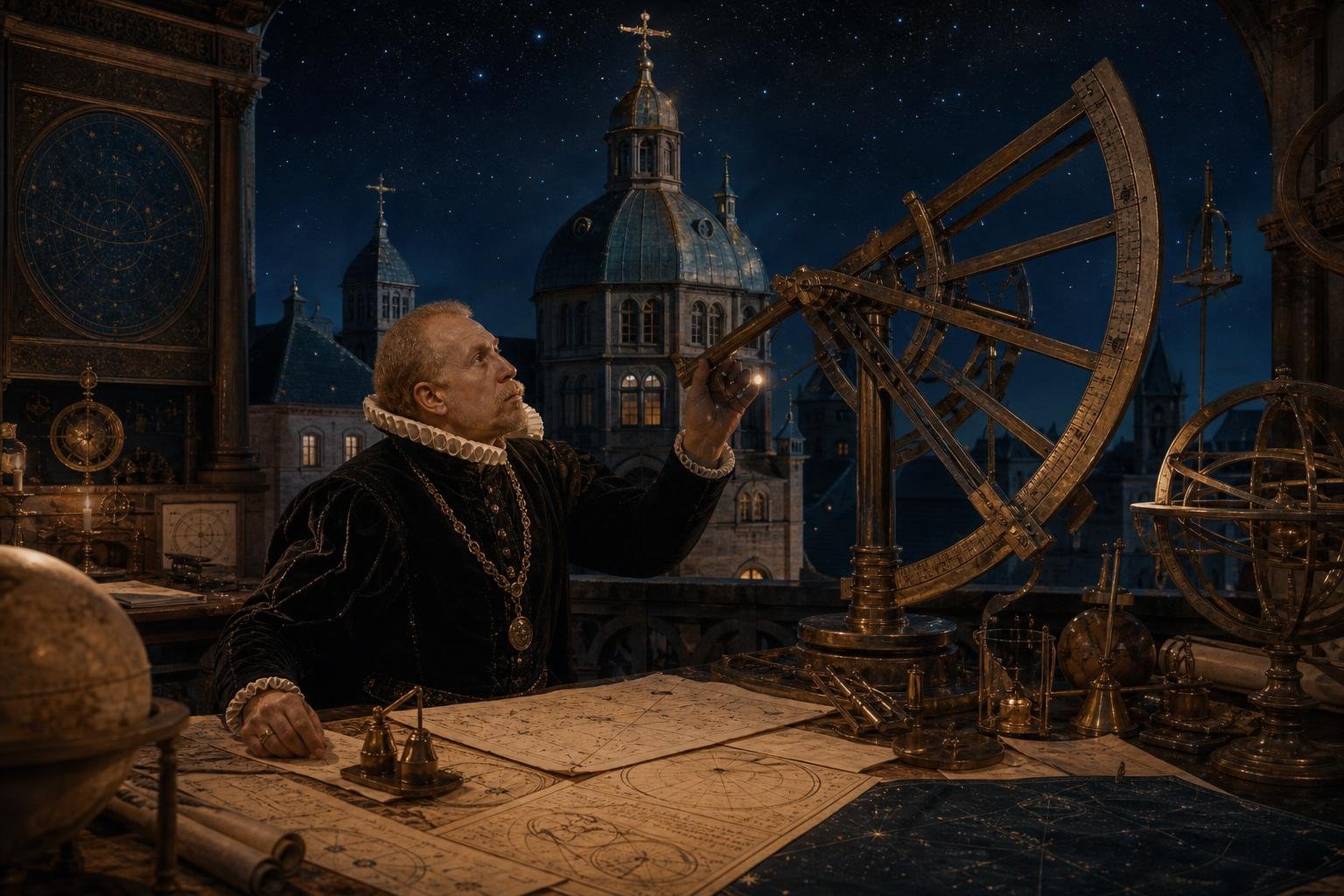
Tycho Brahe: Where Astronomy Met Astrology
Tycho Brahe paired exceptionally precise observations with astrological interpretation. His work shows why the intellectual boundaries of the 16th century do not fit neatly into modern categories.
Read article
Sun, Moon and Rising Sign: Astrology’s Big Three
The Sun, Moon and rising sign answer three different questions in a birth chart. Here is how to read them together—and why an accurate birth time matters.
Read article