
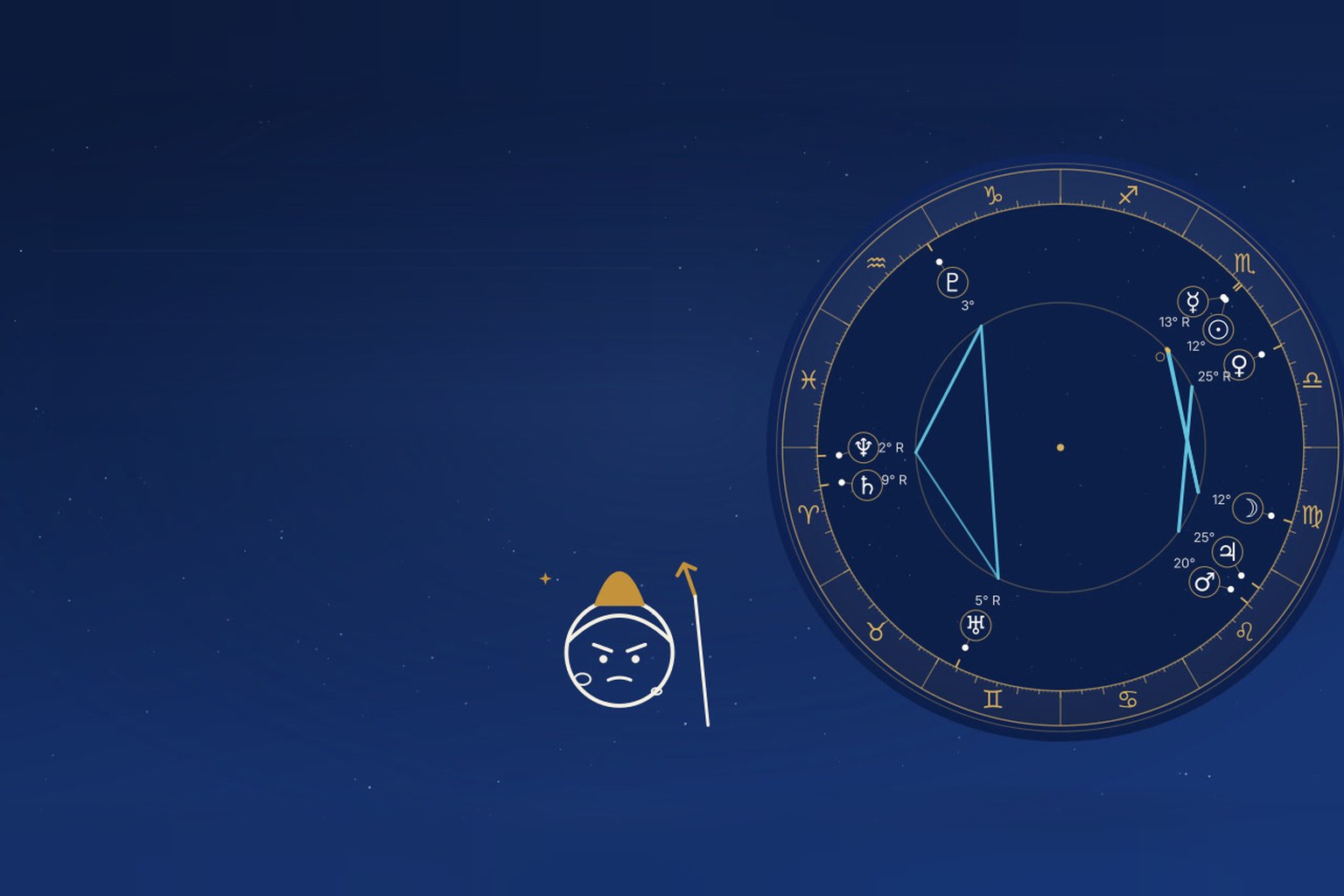
At noon on 7 November 1926 nobody checked where Mars was. Yet we know its position to a fraction of an arcsecond. It is written in an ephemeris, a table showing where a celestial body was or will be on a given day at a given time. The word comes from the Greek ephémeros, "for a day".
An ephemeris is not a log of observations. Planetary motion is so regular that it can be calculated forwards and backwards, and the same calculation tells us where Mars was in 1926 and where it will be in 2126. The six-minute video explains how people achieved that precision.
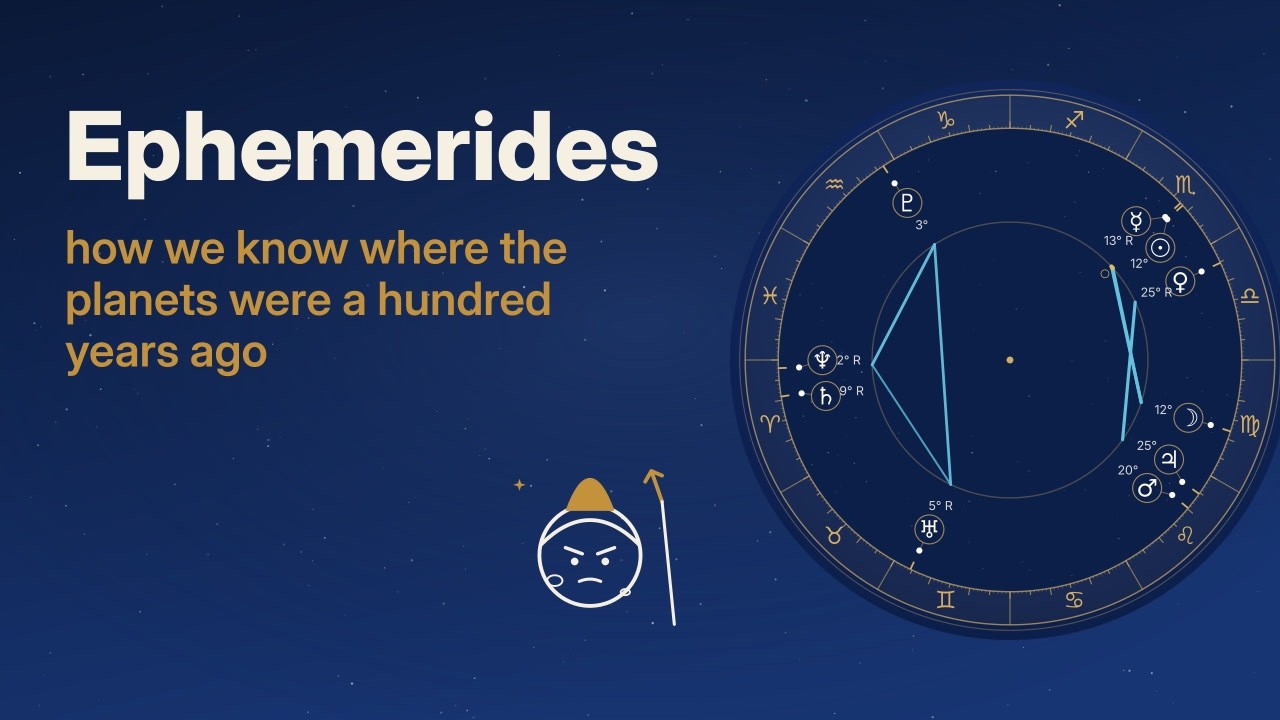 Play videoEphemerides: how we know where the planets were a hundred years ago
From clay tablets to space probes
The first ephemerides are Babylonian clay tablets from the last centuries BC, pure arithmetic without any model of the universe. Ptolemy added geometry in the second century, and his tables were used for almost fourteen hundred years. In 1474 Regiomontanus published the first printed ephemeris, and Columbus had a copy with him when he was stranded on Jamaica in 1504. He read in it that the Moon would turn red on 29 February and announced it to the islanders in advance.
In Prague, at the court of Rudolf II, Kepler found that planets move in ellipses, and Newton explained why. Since then the tables have been calculated from gravity. The year 1846 showed it best: from deviations in the orbit of Uranus, Le Verrier worked out where an unknown planet had to be, and Galle found Neptune there in a single night.
Today ephemerides are calculated by NASA's Jet Propulsion Laboratory (JPL), because without them probes would never reach Mars or Jupiter. The calculation is refined with radar, probe signals and lasers bounced off the mirrors left on the Moon by the Apollo astronauts and the Soviet Lunokhods. That is how we know the Moon's distance to the centimetre.
How we do it
Every tool on our website uses data from NASA's DE442s ephemeris, stored directly on our server. It covers the years 1850 to 2149, and the tools reject any date outside that range. Planetary positions could be calculated for older dates too, but Earth's rotation slows down irregularly, and the further back we go, the less precisely we know what time it was on Earth. The planets would be right; the ascendant would not.
We compare our results with NASA's Horizons service, and they match to about a tenth of an arcsecond. You can leaf through the whole table day by day in the Ephemeris tool. If you prefer pictures to numbers, open Planetary motion and watch the planets travel around the wheel and go backwards.