
The word horoscope can refer to two quite different kinds of text. One offers an astrological interpretation centred on a particular person. Another is the short newspaper entry placed under a birth-date range or zodiac sign for many readers to find. They share a name, but not the same audience or level of detail.
British newspaper examples from 1930, 1935 and 1938 make the contrast visible. They do not pinpoint a single moment when the newspaper horoscope was invented. Instead, they show how a page could move from asking readers to take an interest in someone else to offering them a section they could find for themselves.
A princess on the newspaper page
On 24 August 1930, the Sunday Express published an astrological article by R. H. Naylor about the newborn Princess Margaret. The British Newspaper Archive records that Naylor subsequently received a regular column. That makes the article a documented example with a documented follow-up, not proof that astrology had never appeared in newspapers before.
The princess was the subject of the 1930 piece. Readers could be curious about what an astrologer had to say about her without expecting to find an interpretation of their own lives. The article drew some of its interest from the person it discussed: a named member of the royal family, presented to a broad newspaper audience.
A regular column changes the reader’s relationship with a subject. It gives people a reason to return to a familiar place in the paper. But regular publication tells us little, on its own, about the column’s arrangement. A recurring astrological feature need not yet have contained a separate entry for every sun sign. The article about Margaret and Naylor’s subsequent column belong in the same account; they should not be compressed into a story in which the modern sign-by-sign format appeared fully formed on that first day.
From a named subject to a group of readers
An archival overview of the Sunday Express includes an issue dated 15 December 1935 and describes the growing use of birth dates and sun signs to organise Naylor’s column. The change matters because it gives readers a new way into the page.
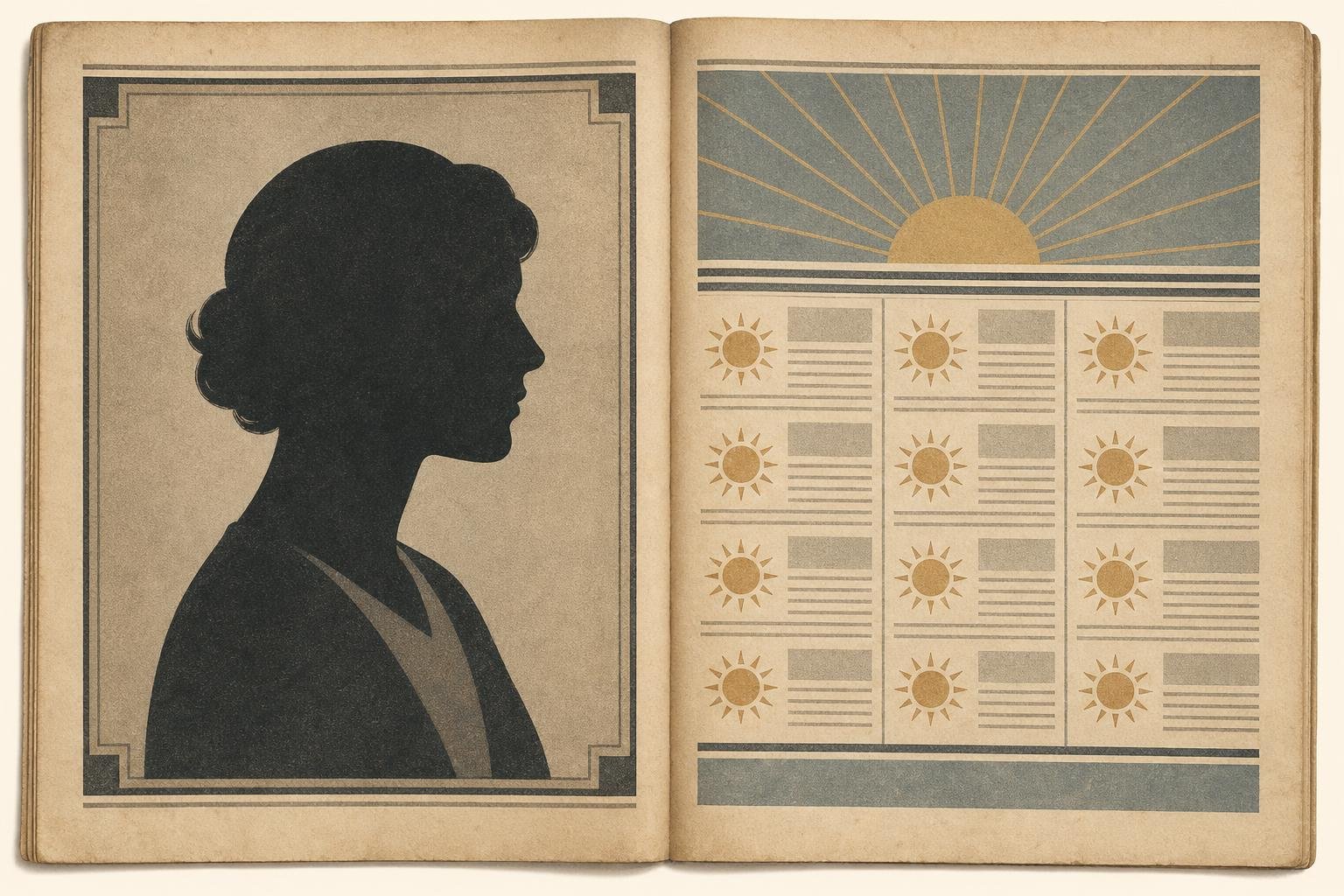
A birth-date heading provides a place to start. Instead of reading an article about a public figure, readers can look for a range containing their birthday and then read the entry beneath it. The newspaper need not know anything else about them. The same small piece of copy can address an entire group while allowing each reader to approach it as their own section.
In this setting, a sun sign is both an astrological term and a useful label for organising a column. In astrological practice, it refers to the zodiac sign associated with the Sun at birth. On the newspaper page, it also helps sort a broad readership into groups. The crucial distinction is whom the text addresses: an article about Princess Margaret has one named subject, while a date-labelled entry invites everyone in its range to read along.
The archival overview does not establish the exact date on which regular entries for all the signs began. The 1935 example helps show the direction in which the format was developing, not an anniversary for its completion. Evidence of a changing arrangement and evidence of the first fully developed edition are different things.
What a later column looked like
Archive records from regional newspapers in 1938 preserve examples of a column titled “According to the Stars.” The available excerpts show entries organised by birth-date ranges and named signs. Here, the organising principle is easy to recognise: readers are offered a way to locate their section within a shared feature.
The headings do much of the work. Someone browsing the paper can scan for a date range or sign and go straight to the corresponding entry. They do not have to follow a story about a named person from beginning to end. The format also makes it easy to glance at neighbouring entries, although the same paragraph remains intended for everyone under its heading.
These 1938 records show a later example, not that the regional papers carrying it were first to use the format. Nor can brief archival excerpts settle every question about the appearance of a complete printed page. What they do preserve is the distinction relevant here: named signs and date ranges take the place of a single person’s story as the reader’s route into the column.
What “horoscope” means on the page
The documented newspaper format shows how readers could find an entry under a birth-date range or sun sign. That is a practical arrangement for a mass readership: one heading points many people towards the same text. Calling that entry a horoscope does not make it an individual reading.
A personal horoscope in astrological practice has a different scope. It considers more than the Sun’s sign in relation to someone’s birth details. An accurate birth time is needed to establish the ascendant and houses; without it, those parts cannot be known. A short newspaper entry sorted by birth date does not provide that individual framework, even though both kinds of text may be called horoscopes.
Astrology is an interpretive tradition, not a scientifically established cause of events or a reliable means of predicting them. These newspaper examples are revealing for a different reason: they show how an interpretation changes shape when written for a broad audience. The story is not that a single article invented everyone’s horoscope. It is that, across the surviving examples, the reader’s point of entry shifts from a named person to a labelled place in the column.