
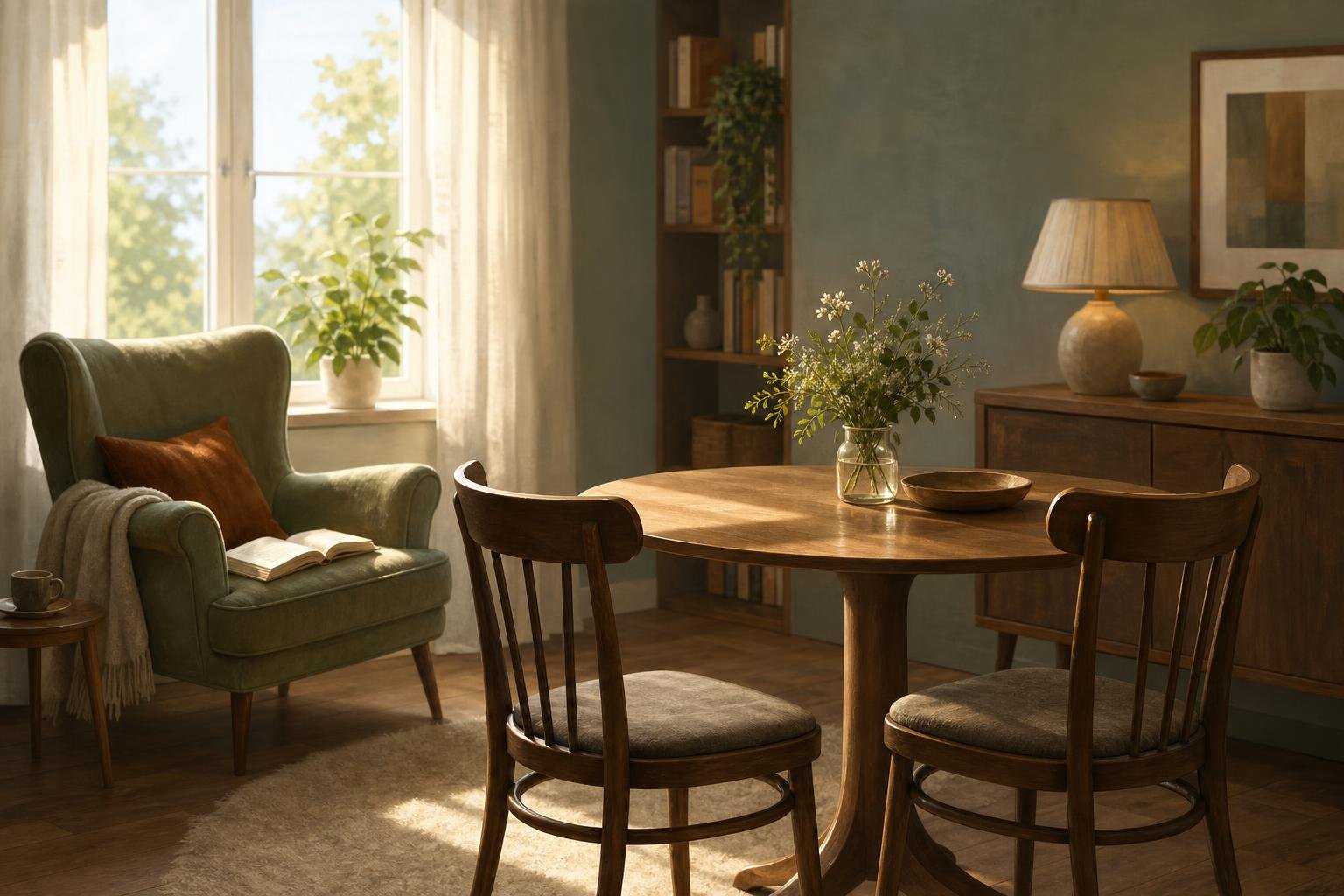
The weekend of 17–18 October offers a chance to notice something easy to lose track of when plans pile up: how much company do you actually want, and how much quiet? There is no ideal balance to find. A full afternoon with friends can feel welcome one week and like one commitment too many the next.
In astrological terms, the Moon enters Aquarius on Monday 19 October at 2:39 a.m. in London — after the weekend, not during it. Its association with friendship and room to be yourself offers a loose frame for reflection, rather than an explanation for anyone’s weekend mood. You do not need to rearrange your plans around that moment. Three ordinary observations will tell you more about what you want from your time off.
1. Which invitation are you looking forward to?
Look at the social plans already on your calendar. Is there a person you are keen to see, or a gathering you would choose even if it had not been arranged weeks ago? Then notice whether anything else feels more like an automatic yes: a regular outing, perhaps, or an invitation you accepted before checking what else the weekend held.
Neither answer means the plan is a mistake. Sometimes a familiar get-together is exactly the gentle, undemanding company you want. Sometimes you only realise you would rather stay home once Saturday arrives. The useful question is not whether you are being sociable enough. It is: what kind of company appeals to me this weekend, and for how long?
You might want the conversation but not the whole evening, or a walk with one friend rather than a busy table. You might also find that an event you nearly skipped becomes the part of the weekend you enjoy most. Try to notice that distinction without turning it into a rule about yourself. Wanting people around and wanting to leave at a reasonable hour can both be true.
If you have not made plans yet, there is no need to fill the gap just because it is there. An invitation can be appealing precisely because you have enough uncommitted time around it.
2. Is there any time that belongs to nobody else?
Time alone is not always the same as free time. A quiet hour spent catching up on chores may be useful, but it is still accounted for. Take a glance at the weekend as it stands: is there a stretch with no appointment, errand or expectation attached to it?
That open space need not be impressive. It could be the time between lunch and an evening plan, or a slow start before you go out. Ask yourself what happens when you see it on the calendar. Do you feel pleased that it is yours, or do you immediately start looking for something to put there?
There is no prize for enjoying solitude. Some people would rather have a casual visit than an empty afternoon, and the same person may feel differently from one weekend to the next. The point is to tell the difference between choosing company and filling silence by default. If being alone sounds good, you can leave a little space unbooked. If it does not, you can make a plan without treating that preference as a failing.
This question can also help when you share your weekend with other people. Time on your own does not have to mean withdrawing from them altogether. It may simply mean reading in another room for a while or taking a walk without making it a group activity.
3. What helps you put the list down?
Even a weekend with few plans can feel crowded if every spare moment becomes a chance to get ahead. Choose one available stretch of time — however modest — and let it remain free of the next task. You do not have to decide in advance that it will be relaxing. Just notice what makes it easier, or harder, to stop organising the hours ahead.
Perhaps sitting down with a book helps you settle, while scrolling through messages reminds you of things you meant to do. Perhaps making a drink and looking out of the window gives you a pause, but only if you leave your to-do list in another room. These are observations, not instructions for the perfect weekend. What works on one day may not suit another.
If leaving time completely open feels awkward, give the pause a simple shape: a short walk with no errand at the end of it, or a cup of tea before you start the next thing. Keep it small enough that it does not become another commitment to manage. You can return to your plans afterwards; the aim is to find out what a break actually feels like for you.
Let the answers be different
By Sunday evening, your three answers may not fit a tidy pattern. You might have loved a crowded lunch, welcomed an hour alone afterwards and found that your clearest break came during an ordinary walk. That is useful information in its own right.
The Moon’s move into Aquarius early on Monday can serve as a reminder to check in again: did your choices leave enough room for both connection and your own pace? You need not make a lasting rule from one weekend. Noticing what you gladly chose, what you accepted out of habit and when you truly paused is plenty to take into the next one.
Astrological overview of the period
| Date and time (London) | Event | Body | Sign |
|---|---|---|---|
| October 19, 2026, 02:39 | sign ingress | Moon | Aquarius |
| October 21, 2026, 13:35 | sign ingress | Moon | Pisces |
| October 23, 2026, 10:37 | sign ingress | Sun | Scorpio |
| October 23, 2026, 20:53 | sign ingress | Moon | Aries |